

Coin Collecting
Coin collecting starts with the change you already have. Every coin carries a date, and many carry a tiny letter showing which mint made it, so a jar of pocket change turns into a puzzle of years, places and the odd coin from another country. Sort a handful, find your oldest coin, and lay out a labeled display in an egg carton. Almost everything you find will be worth its face value, and that is fine: the fun is in the looking.
What you'll do
Sort 20 to 30 coins from a change jar, read each date, find the oldest coin and the mint letters, check for the few things collectors set aside, and lay out your best 12 in a labeled egg-carton display.
At a glance
- Time
- 15 minutes for your first session
- Cost
- Nothing to buy. It uses things you already have at home.
- You need
- Pocket change, 20 to 30 coins, A folded towel or tea towel, A phone, or a desk lamp and a magnifying glass, An empty egg carton (12 cups), or a sheet of printer paper
- Members
What you need
Required
- Pocket change, 20 to 30 coins × 20-30 coins, any country or mix of countries · $0 · household
A change jar, a wallet, the car cup holder or a drawer. More coins give more to find; a mix of sizes is best. Coins from a trip abroad are a bonus.
- A folded towel or tea towel × 1 · $0 · household
A soft surface keeps coins from rolling away and from scratching each other.
- A phone, or a desk lamp and a magnifying glass × 1 · $0 · household
The phone does both jobs: its flashlight, held low to the side, throws shadows that make worn dates readable, and its camera at 2x or 3x zoom works as a magnifier. Mint letters are about 1 mm (1/32 inch) tall.
Alternatives: A desk lamp you can tilt, plus a magnifying glass
- An empty egg carton (12 cups), or a sheet of printer paper × 1 · $0 · household
Plus a pen and a strip of paper or masking tape for labels.
Alternatives: A sheet of paper with a grid of 4 cm (1 1/2 inch) boxes
Nice to have
- A fridge magnet × 1 · $0 · household
Optional. It shows which coins are plated steel, a quick test for UK, Canadian and some other coins.
- A 10x jeweler's loupe × 1 · $5-10 · purchased
A small folding magnifier makes mint letters and worn dates much easier to read. Not needed to start.
How to do it
Pick up where you left off
Step ·
Spread a folded towel on a table in good light and pour out 20 to 30 coins from low over the towel, not from high up, so they don't knock together. Push them into piles by size and color: one pile per coin type (in the US: cents, nickels, dimes, quarters; elsewhere, one pile per value). Put any coins from another country in their own pile. Pick coins up by their edges, between thumb and finger, not by the flat faces. It worked if every pile holds only one size and color of coin. Common mistake: rubbing a dirty or dark coin to see it better. Never clean, polish or scrub coins; it leaves fine scratches, and collectors value an uncleaned coin over a shiny cleaned one.
Show helpHide help
Tip: Common mistake: cleaning coins to make them look nicer. Polish, baking soda and even rubbing with a cloth leave scratches that lower a coin's value to collectors. Leave them as they are and hold them by the edges.
Take one pile at a time. Turn each coin to the side with the date (usually the heads side; US quarters from 1999 to 2021 have it on the back) and tilt it under the light until the numbers throw small shadows; zoom in with the phone camera if the date is worn. Lay the pile out in a row from oldest on the left to newest on the right. When every pile is in order, compare the left end of each row: the oldest of those is your oldest coin. It worked if you can read a full 4-digit year on most coins and each row runs in order. Common mistake: misreading a worn date, such as a 3 for an 8 or a 1 for a 7. Check any surprising year at full zoom before you believe it, and set aside coins you can't read rather than guessing.
Show helpHide help
Tip: Common mistake: cleaning coins to make them look nicer. Polish, baking soda and even rubbing with a cloth leave scratches that lower a coin's value to collectors. Leave them as they are and hold them by the edges.
Many coins carry a small letter showing which mint struck them. On US coins from 1968 on it is on the heads side: under the date on cents, just after or under the date on nickels, above the date on dimes, and to the right of Washington's neck on quarters (under the date on quarters from 2022 on). P is Philadelphia, D is Denver, S is San Francisco and W is West Point. Most US cents from Philadelphia have no letter at all, so a cent with no letter usually means P. On German euro coins, look for A, D, F, G or J (Berlin, Munich, Stuttgart, Karlsruhe, Hamburg), usually on the near the date. UK and Canadian coins normally have no mint letter, so skip this step for them. Within each row, stack coins with the same date and letter together. It worked if you found at least two different letters, or know your country doesn't use them. Common mistake: taking a designer's initials, often tiny letters at the bottom edge of the portrait, for a . The mint letter sits on its own, near the date.
Show helpHide help
mint mark: A small letter or symbol on a coin that shows which mint made it.
Tip: Common mistake: cleaning coins to make them look nicer. Polish, baking soda and even rubbing with a cloth leave scratches that lower a coin's value to collectors. Leave them as they are and hold them by the edges.
Scan your rows for the few things worth setting aside; they are uncommon but do turn up. US: dimes and quarters dated 1964 or earlier are 90% silver; tip the coin on its edge, and a solid silver-gray edge with no copper stripe confirms it. Cents dated 1958 or earlier with two wheat ears on the back are . Quarters with a W were made at West Point and mixed into change in 2019 and 2020, about 2 million of each design. Canada: dimes and quarters dated 1967 or earlier are mostly silver. UK: touch 1p and 2p coins with a fridge magnet; ones from 1992 on are copper-plated steel and stick, older bronze ones don't. Euro coins: the shows which country issued each one, so count how many countries are in your jar. Move any keepers to the front of their row. It worked if every coin has been checked and you have a short pile of interesting ones, even if it is only your oldest coin and one foreign coin. Common mistake: believing online lists that say a common date is worth thousands. Famous rarities, like the 1943 copper cent, almost never appear in change; a normal-looking coin is almost always worth its face value.
Show helpHide help
wheat cents: US Lincoln cents made from 1909 to 1958, with two ears of wheat on the back.
national side: The side of a euro coin that differs by country and shows which country issued it. The other side, the common side, is the same everywhere.
clad: A coin made of layers, such as US dimes and quarters from 1965 on, which have copper-nickel faces over a copper core.
Tip: Common mistake: cleaning coins to make them look nicer. Polish, baking soda and even rubbing with a cloth leave scratches that lower a coin's value to collectors. Leave them as they are and hold them by the edges.
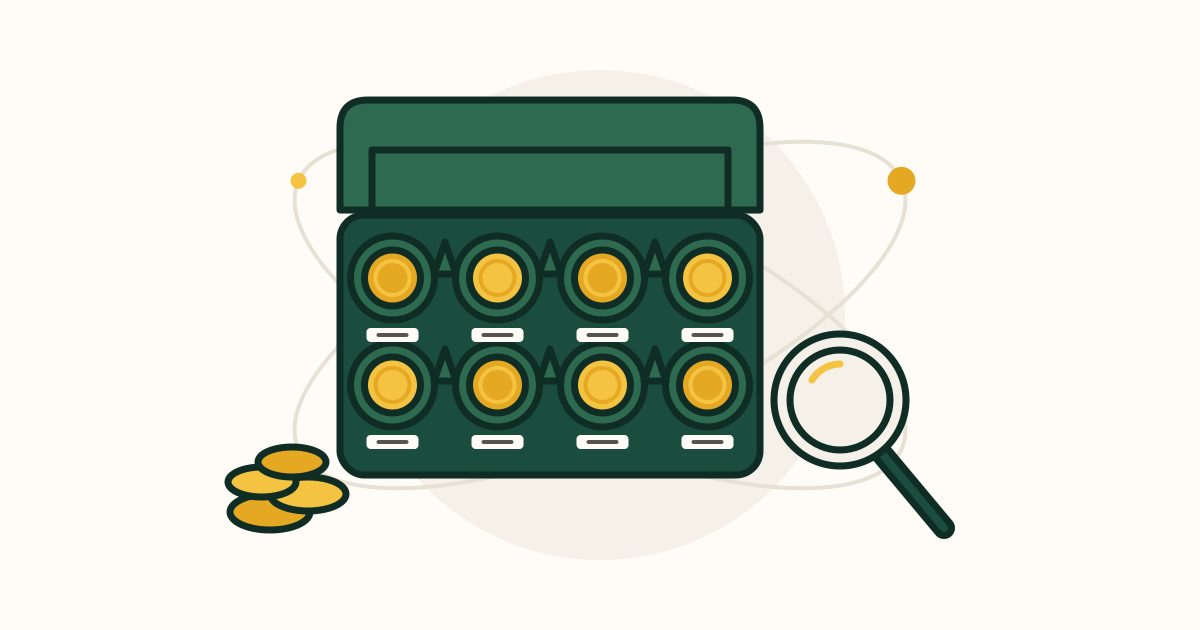
Pick up to 12 coins for the egg carton: your oldest coin, your newest, one of each mint letter you found, any silver or , any foreign coins, and your favorite designs. Put one coin in each cup, oldest at top left, running to newest at bottom right. Write a short label for each cup on a strip of paper or tape along the carton edge, or on the inside of the lid with a small map: year, mint letter (or 'no letter'), coin type and, if it has one, why it's here, for example '1971 D cent, oldest'. On paper instead, draw a 4 cm (1 1/2 inch) box for each coin and write its label under the box. It worked if someone else could read any label and find its coin. Common mistake: labeling from memory and swapping two coins; check each label against its coin before you close the lid. You did it: you have a dated, labeled collection from your own pocket change. Next session, start a : one coin of a single type for every year from your oldest to today, with gaps marked in pencil to fill as change comes in.
Show helpHide help
date run: A set of one coin type with one coin for each year in a range, such as a cent for every year from 1970 to today.
Tip: Common mistake: cleaning coins to make them look nicer. Polish, baking soda and even rubbing with a cloth leave scratches that lower a coin's value to collectors. Leave them as they are and hold them by the edges.
Tips
Common mistake: cleaning coins to make them look nicer. Polish, baking soda and even rubbing with a cloth leave scratches that lower a coin's value to collectors. Leave them as they are and hold them by the edges.
Keep a 'check later' jar by the door. Drop your change in at the end of each day, then go through it once a week, so your collection grows without spending anything extra.
Be skeptical of viral 'your penny could be worth thousands' posts. They usually show common coins or rare varieties that almost never turn up. A coin dealer or a collectors' forum can tell you what a coin is really worth.
Use low, side-on light to read worn dates. A lamp held almost level with the table makes raised numbers cast shadows, which works better than bright light from above.
Write down what you find in a notebook: year, mint letter and coin type. A list makes it easy to see which years you're missing and keeps the hunt going.
Glossary
- mint mark
- A small letter or symbol on a coin that shows which mint made it.
- wheat cents
- US Lincoln cents made from 1909 to 1958, with two ears of wheat on the back.
- date run
- A set of one coin type with one coin for each year in a range, such as a cent for every year from 1970 to today.
- national side
- The side of a euro coin that differs by country and shows which country issued it. The other side, the common side, is the same everywhere.
- clad
- A coin made of layers, such as US dimes and quarters from 1965 on, which have copper-nickel faces over a copper core.
- numismatics
- The study and collecting of coins, paper money and medals. A coin collector is often called a numismatist.
Communities
Resources
- PCGS (YouTube)The coin grading service's official channel, with short videos on grading basics, handling coins and what makes a coin scarce.
- Mint mark (Wikipedia)How mint marks work, the US letters P, D, S and W, and how other countries such as Germany and Spain mark their coins.
- Euro coins (European Central Bank)Pictures of the common and national sides of every euro coin, and of each country's €2 commemorative coins, for identifying the euros in your jar.
- Why are some UK coins magnetic? (The Royal Mint)The Royal Mint explains which UK coins are plated steel and when they changed, behind the magnet test in step 4.
Frequently asked questions
How long does it take to get started with coin collecting?
About 15 minutes for a first sort of 20 to 30 coins. Building a full date run of one coin type from change usually takes months of checking, which is part of the fun.
Do I need to buy anything?
No. Pocket change, a light, a phone camera and an egg carton are enough. A 10x loupe and cardboard coin folders made for a single series are the usual first purchases once you want to fill a set.
Is any of my change worth more than face value?
Probably a few coins, by a little. Silver coins are worth more for their metal, and wheat cents and W quarters carry a small premium. The rarities in headlines almost never show up, so treat a find as a nice surprise, not a payday.
Should I clean my coins?
No. Cleaning leaves fine scratches and an unnatural shine that collectors and dealers mark down. Store coins as found, in a dry place, and handle them by the edges.
I can't read the date on a coin. What should I do?
Tilt the coin under a lamp held low and to the side so the raised numbers cast shadows, then zoom in with your phone camera. If it is still unreadable, the coin is too worn to place; set it aside and don't guess.
Are US pennies still being made?
Not for circulation. The US Mint struck its final circulating cents in November 2025, though pennies remain legal tender, so the coins already in jars and drawers are now a closed series to collect.
Something off in this guide?