

Sound Mapping
Sit still, close your eyes and draw a map of everything you can hear. Sound mapping is a 5-minute listening practice used by naturalists and sound artists, and all it takes is a sheet of paper, a pen and an open window or a spot outside.
What you'll do
Listen with your eyes closed for 2 minutes, then draw every sound you heard around an X that marks you, and sort them into natural and human-made.
At a glance
- Time
- 5 minutes for your first session
- Cost
- Nothing to buy. It uses things you already have at home.
- You need
- A sheet of paper, A pen or pencil, A place to sit outside or by an open window
- Members
What you need
Required
- A sheet of paper × 1 sheet · $0 · household
Any size works. Printer paper, the back of an envelope or a notebook page are all fine.
Alternatives: A notes or drawing app on your phone
- A pen or pencil × 1 · $0 · household
A pencil is easiest if you want to move a mark after you hear a sound again.
- A place to sit outside or by an open window · $0 · household
A doorstep, balcony, yard, park bench or a chair next to a window opened as wide as it goes.
Alternatives: Stand on a balcony or porch if there is nowhere to sit
Nice to have
- A timer · $0 · household
Your phone timer, set to 2 minutes and switched to silent or vibrate so it does not startle you.
How to do it
Pick up where you left off
Step ·
Sit down outside or next to the open window and get comfortable enough to stay still for 2 minutes. Put the paper on your knee or a book and draw a small X in the exact center, about the size of a fingernail. The X is you. Draw a short arrow from the X toward the top edge of the page: that arrow points the way you are facing, so the top of the page is in front of you, the bottom is behind you and the sides are your left and right. If you are by a window, draw a line on the page for the window. Set a 2-minute timer on silent or vibrate. The common mistake is facing a wall; face open space so sounds can reach you from the front.
Show helpHide help
Tip: Common mistake: opening your eyes to see what made a sound. Your ears get lazier the moment your eyes take over. Guess first and check afterward.
Start the timer, close your eyes and put the pen down. Breathe slowly and keep your head still. For each new sound, notice three things: which direction it comes from, how far away it seems, and whether it is a single sound (a door slam), a repeating one (a bird call) or a continuous one (traffic hum, wind, a fridge). Count sounds on your fingers as you go. Most people hear 3 or 4 sounds in the first 20 seconds and then nothing new; that is normal. Keep listening past it, because the quiet, far-off and very close sounds (your own breath, leaves, a distant dog) show up in the second minute. Do not open your eyes to check what a sound is.
Show helpHide help
Tip: Common mistake: opening your eyes to see what made a sound. Your ears get lazier the moment your eyes take over. Guess first and check afterward.
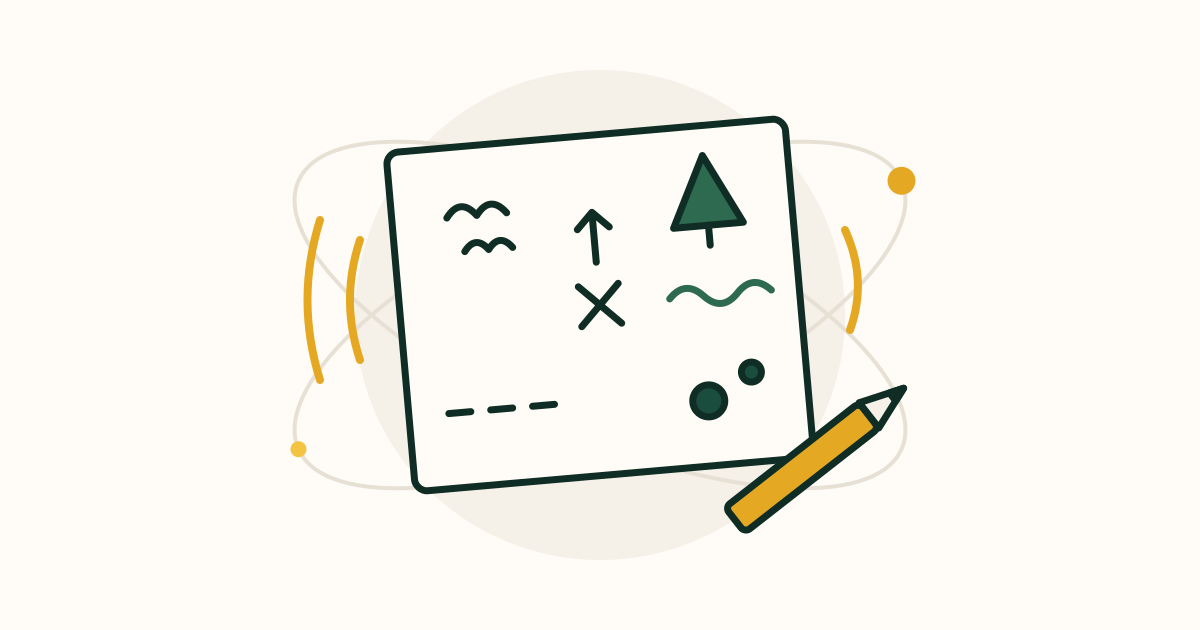
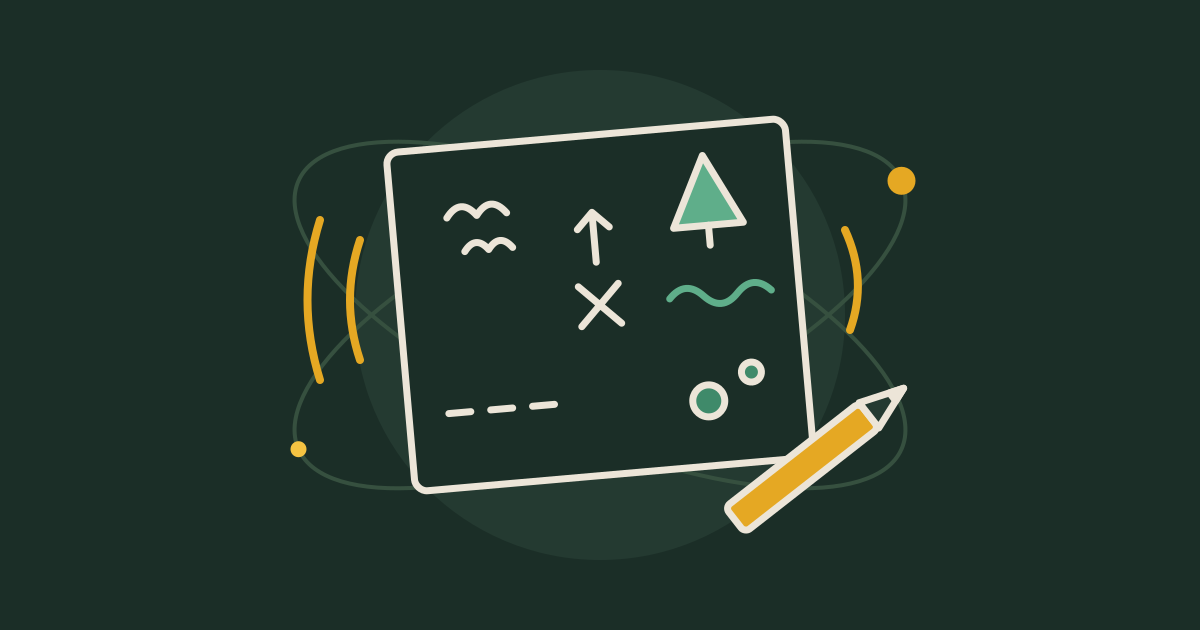
When the timer buzzes, open your eyes and put each sound on the page, using the X as you and the arrow as forward. Place close sounds near the X and far ones near the edge of the paper. Use a quick mark, not a careful drawing: a dot for a single sound, a row of dashes for a repeating one, a wavy line for a continuous one, and a tiny sketch or one word next to it (bird, car, wind). Make loud sounds bigger and quiet ones smaller. Aim for at least 6 marks. If you only have 2 or 3, you were probably listening for interesting sounds; add the boring ones too, like a hum or your own breathing, since they count.
Show helpHide help
Tip: Common mistake: opening your eyes to see what made a sound. Your ears get lazier the moment your eyes take over. Guess first and check afterward.
Go over the map with your pen. Circle every natural sound, such as birds, insects, wind, rain or water: together these are the and of your spot. Draw a box around every human-made sound, such as engines, voices, music or machines: that is the . Put a star on the quietest sound you caught and underline the , the one that was there the whole time underneath everything else. Write the date and time in a corner. You did it: you made your first sound map, a picture of your local . Next session, sit in the same spot at a different time of day, such as early morning, and compare the two maps side by side.
Show helpHide help
soundscape: All the sounds of a place, as a person hears them.
keynote sound: The steady background sound of a place that you stop noticing, like traffic hum, wind or a fridge.
biophony: Sounds made by living things other than people, such as birdsong, insects and barking dogs.
geophony: Natural sounds that do not come from living things, such as wind, rain, thunder and moving water.
anthrophony: Sounds made by people and their machines, such as voices, engines, music and air conditioners.
Tip: Common mistake: opening your eyes to see what made a sound. Your ears get lazier the moment your eyes take over. Guess first and check afterward.
Tips
Common mistake: opening your eyes to see what made a sound. Your ears get lazier the moment your eyes take over. Guess first and check afterward.
Cup your hands behind your ears for 10 seconds. It makes sounds in front of you louder and helps you pin down which direction they come from.
Dawn and dusk are the richest times for natural sounds, because birds sing most then and traffic is lighter.
Keep your maps in one folder or notebook. After a few weeks you can see seasons change on paper as birds, insects and weather come and go.
Glossary
- soundscape
- All the sounds of a place, as a person hears them.
- keynote sound
- The steady background sound of a place that you stop noticing, like traffic hum, wind or a fridge.
- biophony
- Sounds made by living things other than people, such as birdsong, insects and barking dogs.
- geophony
- Natural sounds that do not come from living things, such as wind, rain, thunder and moving water.
- anthrophony
- Sounds made by people and their machines, such as voices, engines, music and air conditioners.
Communities
Resources
- Sound Mapping (Discover The Forest)A short sound mapping activity guide with ideas for marking loud and soft, natural and human-made sounds.
- radio aporee ::: mapsA global sound map of field recordings pinned to the places they were made, from city streets to forests. Good for hearing what other spots sound like.
- Soundscape (Wikipedia)Background on soundscapes and acoustic ecology, including keynote sounds and the split between natural and human-made sound.
Frequently asked questions
I live somewhere noisy. Is there any point?
Yes. A busy street has a soundscape too, and noisy places often give the fullest maps. Try to find one quiet sound underneath the noise, like a bird, footsteps or a flag flapping. That is the real challenge.
Can I do this indoors?
Yes, by an open window, which brings in outdoor sounds. With the window closed you can still map the house: the fridge, pipes, neighbors and clocks. Both count.
What if I can't tell what made a sound?
Draw it anyway and describe it in one word, such as click, whoosh or tapping. Mystery sounds are part of the fun, and you may recognize them on a later map.
Should I record the sounds too?
Not on the first session. Recording pulls your attention to your phone. Once you enjoy mapping, a 1-minute phone recording of the same spot is a good extra to compare with your drawing.
How do I get better at it?
Listen longer, from 2 minutes up to 5 or 10, and return to the same spot at different times and seasons. Learning a few local bird calls turns many of your dots into named species.
Something off in this guide?